Friday, January 17, 2025

Beginner-level backyard shed construction

Beginner's Guide to Backyard Shed Construction

Constructing a backyard shed can be a rewarding DIY project, providing valuable storage space and enhancing the aesthetic appeal of your property. This comprehensive guide will walk you through the process, offering detailed instructions suitable for beginners. Remember, safety is paramount. Always prioritize safety procedures and consult relevant building codes and regulations in your area before commencing construction.

Phase 1: Planning and Preparation

Thorough planning is crucial for a successful shed building project. Failing to adequately plan can lead to costly mistakes and delays. This phase involves several key steps:

1.1 Determining Shed Size and Design

The first step is to determine the dimensions of your shed. Consider the amount of storage space you require, the available space in your backyard, and any relevant local zoning regulations regarding shed size and placement. Simple designs, such as rectangular sheds, are generally recommended for beginners due to their ease of construction. Sketch a basic design outlining the dimensions and features you desire, such as windows, doors, and shelving.

1.2 Choosing Materials

Material selection significantly impacts both the cost and durability of your shed. Pressure-treated lumber is a popular choice for its resistance to rot and insect damage. Consider using pre-cut lumber kits to simplify the construction process, especially for beginners. These kits typically include all the necessary lumber components, pre-cut to the specified dimensions. Alternatively, you can purchase individual lumber pieces and cut them to size yourself. For the roof, asphalt shingles are a cost-effective and readily available roofing material.

Other crucial materials include:

  • Concrete blocks or a suitable foundation base
  • Framing nails and screws
  • Exterior siding (e.g., vinyl, metal, or wood)
  • Roofing felt or underlayment
  • Door and window hardware
  • Appropriate sealant and paint or stain (optional)

1.3 Obtaining Necessary Permits

Before starting construction, it's essential to check with your local authorities to determine if you require any building permits. Permit requirements vary depending on location and the size and complexity of the shed. Failure to obtain necessary permits can result in fines or even demolition orders.

1.4 Site Preparation

Proper site preparation is essential for a level and stable shed foundation. Begin by clearing the designated area of any vegetation, debris, and rocks. Use a level to ensure the ground is relatively flat. If the ground is uneven, you may need to excavate and level the area or create a raised foundation.

Phase 2: Foundation Construction

A solid foundation is crucial for the longevity and stability of your shed. There are several foundation options available, each with its own advantages and disadvantages:

2.1 Concrete Slab Foundation

This is a durable and relatively straightforward option, providing a level and stable base. It requires excavating a shallow pit, setting formwork, and pouring a concrete slab. Allow ample time for the concrete to cure completely before proceeding to the next phase.

2.2 Concrete Block Foundation

This is a more economical alternative to a concrete slab. It involves laying concrete blocks on a leveled base, creating a foundation wall. Ensure the blocks are level and aligned using a level and plumb bob.

2.3 Gravel Base

For smaller sheds, a gravel base can be a simple and effective solution. This involves laying a layer of compacted gravel to provide drainage and a level surface. This option is less durable than concrete, however.

Phase 3: Frame Construction

The frame is the structural backbone of your shed. Accurate measurements and careful construction are crucial at this stage.

3.1 Building the Floor Frame

Construct the floor frame using pressure-treated lumber. Cut and assemble the joists and bearers according to your design. Ensure the frame is square and level. Attach the floor sheathing (plywood or OSB) securely to the frame.

3.2 Erecting the Wall Frames

Assemble the wall frames using pressure-treated lumber. Ensure the frames are plumb and square. Use appropriate bracing to maintain stability during construction. Attach the wall sheathing (plywood or OSB) securely to the frames.

3.3 Constructing the Roof Frame

Construct the roof frame based on your chosen roof design (e.g., gable, shed). This involves cutting and assembling rafters or trusses. Ensure the roof frame is properly aligned and securely fastened. Attach the roof sheathing (plywood or OSB) to the frame.

Phase 4: Exterior Finishing

Once the frame is complete, you can move on to the exterior finishing. This involves applying siding, roofing, and installing doors and windows.

4.1 Installing Siding

Install the chosen exterior siding (e.g., vinyl, metal, or wood) according to the manufacturer's instructions. Ensure the siding is properly aligned and securely fastened.

4.2 Roofing

Install roofing felt or underlayment over the roof sheathing to provide a waterproof barrier. Then, install the chosen roofing material (e.g., asphalt shingles) according to the manufacturer's instructions.

4.3 Installing Doors and Windows

Install the doors and windows, ensuring they are properly aligned and securely fastened. Install any necessary hardware, such as hinges, handles, and locks.

Phase 5: Final Touches

The final phase involves adding finishing touches and ensuring the shed is ready for use.

5.1 Painting or Staining

Apply paint or stain to protect the wood and enhance the shed's appearance. Choose a suitable exterior-grade paint or stain that is weather-resistant.

5.2 Adding Interior Features

Install shelving, lighting, and any other desired interior features. Consider adding ventilation to prevent moisture buildup.

5.3 Final Inspection

Conduct a thorough inspection of the completed shed to ensure all components are securely fastened and there are no structural issues. Address any necessary repairs or adjustments before putting the shed into use.

Disclaimer: This guide provides general instructions for backyard shed construction. Always consult local building codes and regulations, and consider seeking professional assistance if you are unsure about any aspect of the project. Safety should always be your top priority.

Continue reading

Thursday, January 16, 2025

Beginner-friendly guide to storage shed building

Building Your Dream Storage Shed: A Beginner's Guide

Dreaming of a tidy backyard and a place to store all your garden tools, sports equipment, or holiday decorations? Building your own storage shed is a rewarding project that's more achievable than you might think. This guide will walk you through the process, step-by-step, making it manageable even for first-time builders. Get ready to unleash your inner craftsman and transform your outdoor space!

Planning Your Shed Project

Before you even pick up a hammer, careful planning lays the foundation for success. First, determine the size and style of your shed. Consider the items you'll store and how much space you'll need. Browse online for inspiration or sketch your own design. Next, check local building codes and permits. Your municipality might require permits for sheds exceeding a certain size or those with specific features. Failing to obtain the necessary permits can lead to hefty fines or even demolition orders. Finally, choose your location wisely. Consider sun exposure, proximity to your house, drainage, and access for deliveries and construction.

Choosing Your Materials

The materials you select will significantly impact the shed's durability, cost, and aesthetic appeal. Pressure-treated lumber provides excellent rot resistance, making it a popular choice for the frame. Consider using composite siding for low-maintenance looks or opt for traditional wood for a more rustic appearance. For the roof, asphalt shingles are relatively inexpensive and readily available, while metal roofing offers greater longevity and weather resistance. Don’t forget about the foundation; concrete is durable but can be expensive, while a gravel base offers a more budget-friendly option.

Foundation and Framing: Laying the Groundwork

With your plan in hand, it's time to get your hands dirty. Begin by preparing the ground. Level the area thoroughly, removing any debris or vegetation. For a concrete foundation, you'll need to pour a slab according to your local building codes. A gravel base involves creating a compacted layer of gravel, providing a level surface for the shed’s floor. Then, you'll build the frame, following your design and using appropriate fasteners. Accurate measurements are crucial for a sturdy structure. Use a level to ensure all your framework is plumb and square. Remember to reinforce corners and other stress points.

Siding, Roofing, and Finishing Touches

Once the frame is complete, you can install the siding. This step significantly impacts the shed's appearance. Follow the manufacturer’s instructions, ensuring proper overlap and alignment. Next comes the roofing. Install roofing felt (underlayment) before applying your chosen roofing material. Ensure it's securely fastened and waterproof. Finally, add the finishing touches. This might include installing a door, windows, and any desired trim work. Consider adding a shelf or two inside to improve organization. A fresh coat of paint or stain will protect your shed and enhance its curb appeal.

Essential Tools and Safety Precautions

Before you start, gather your essential tools. This includes a measuring tape, level, saw (circular saw and hand saw are both recommended), hammer, drill, screws, nails, and safety glasses. Remember safety comes first! Always wear appropriate safety gear, including gloves, eye protection, and hearing protection. When working with power tools, exercise caution and follow all manufacturer instructions.

Celebrating Your Achievement!

Congratulations! You've successfully built your own storage shed. Take a moment to admire your handiwork and enjoy the satisfaction of a job well done. Your newly built shed provides ample storage, enhancing both the functionality and aesthetic appeal of your outdoor space. Remember to maintain your shed regularly by checking for any damage or necessary repairs. Enjoy its practicality for years to come!

Continue reading

Affordable shed plans for first-timers

Build Your Dream Shed on a Budget: Affordable Shed Plans for Beginners

Dreaming of a backyard shed but overwhelmed by the cost? Don't let budget constraints stifle your DIY ambitions! Building your own shed can save you a significant amount of money compared to hiring a professional, and with the right plans and approach, it’s a manageable project even for first-time builders. This guide provides detailed, affordable shed plans designed specifically for beginners, ensuring a rewarding and successful build.

Choosing the Right Shed Plan for Your Needs

Before you dive into construction, carefully consider your needs. What will you store in your shed? Lawn equipment? Gardening supplies? A workshop? The size and features of your shed should directly reflect its intended purpose. Start by sketching out a rough layout, noting the dimensions and essential features. Numerous free and low-cost shed plans are available online, but carefully review the specifications to ensure they match your skills and resources. Look for plans that offer detailed diagrams, clear instructions, and a comprehensive materials list. Don't be afraid to modify plans slightly to better suit your space and budget â€" a little personalization never hurts!

Factors to Consider When Selecting a Plan:

  • Size: Measure your available space and choose a shed that fits comfortably without overwhelming your yard.
  • Materials: Consider the cost and availability of different materials like wood, metal, or plastic. Wood is generally more affordable and easier to work with for beginners.
  • Complexity: Select a plan appropriate for your skill level. Start with a simpler design if you're new to construction.
  • Features: Decide whether you need features like windows, doors, shelves, or a workbench.

Gathering Your Materials and Tools: Keeping Costs Down

Securing affordable materials is key to a budget-friendly build. Explore options like sourcing reclaimed lumber from demolition sites or salvage yards â€" you can often find high-quality wood at significantly reduced prices. Consider purchasing materials in bulk to benefit from lower per-unit costs. Don’t forget to factor in the cost of fasteners, such as nails, screws, and hinges. When it comes to tools, borrow what you can from friends or family to avoid unnecessary expenses. Rent specialized tools like a post-hole digger rather than buying them if you don’t anticipate future use. A well-organized materials list, created from your chosen plan, will prevent costly oversights and ensure a smoother build process.

Tips for Saving Money on Materials:

  • Shop around: Compare prices from different lumber yards and home improvement stores.
  • Consider alternatives: Explore using pressure-treated lumber for the base to reduce maintenance.
  • Reuse existing materials: Repurpose old doors, windows, or other building materials where possible.

Step-by-Step Construction: A Beginner's Guide

Follow your chosen plan meticulously. Begin with the foundation, ensuring it’s level and stable. This is crucial for a long-lasting shed. Proceed step-by-step, carefully measuring and cutting lumber according to the plan's specifications. Take your time, and don't hesitate to review the instructions multiple times before undertaking a critical step. Remember, accuracy is key to a successful build. Start with the framing, then work on the walls, roof, and finally the doors and windows. Regularly check your work against the plan, making adjustments as needed. Building a shed is a process, so don't rush it! Enjoy the journey of creating something lasting with your own hands. Celebrate milestones along the way, rewarding yourself for your hard work and dedication.

Important Reminders:

  • Safety first: Always wear appropriate safety gear, including eye protection and work gloves.
  • Take breaks: Avoid fatigue by taking regular breaks throughout the construction process.
  • Seek help when needed: Don't be afraid to ask for assistance from more experienced builders if you encounter difficulties.

Building your own shed is a rewarding experience that can save you money and enhance your property. With careful planning, resourcefulness, and a bit of patience, you can create a durable and functional storage solution tailored to your exact needs. So, grab those plans, gather your tools, and get ready to build!

Continue reading

Shed construction basics for new builders

Building Your Own Shed: A Beginner's Guide

Building a shed is a rewarding project that lets you enjoy the satisfaction of creating something useful with your own two hands. It's a great way to learn basic carpentry skills and gain valuable experience in construction. While it might seem daunting at first, breaking down the process into manageable steps makes it achievable for even the most novice builder. This guide provides a comprehensive overview of the essentials, helping you navigate each phase of shed construction.

Planning and Preparation: Laying the Foundation for Success

Before you even pick up a hammer, meticulous planning is crucial. Start by determining the shed's purpose. Will it house gardening tools, store seasonal items, or serve as a workshop? This dictates the size and features you'll need. Next, decide on the location. Ensure you have the necessary space and check local building codes and regulations regarding setbacks and permits. Consider the ground conditions â€" a level, well-drained site is essential. Don't forget to acquire all necessary materials; creating a detailed shopping list, comparing prices from different suppliers, will save you time and money. This careful groundwork lays a strong foundation for a successful project.

Essential Design Considerations

Sketching out your shed's design, even a simple one, helps visualize the final product and ensures everything fits together. Consider factors like door placement for easy access, window placement for natural light and ventilation, and the overall aesthetic to match your property. Will you need shelving? Consider these elements early in the process to avoid costly modifications later on.

Foundation and Framing: Building a Solid Structure

Choosing the right foundation depends on your soil conditions and budget. A simple concrete slab offers stability and longevity, but requires more effort. Alternatively, consider using pressure-treated wooden skids or piers for a quicker, less expensive solution. Once the foundation is set, erect the frame using pressure-treated lumber. Accuracy is paramount here; use a level and plumb bob to ensure square corners and vertical walls. Properly spaced studs provide the necessary support for walls and roof.

Framing Techniques

Employing proper framing techniques is vital. Use appropriate fasteners â€" galvanized nails or screws â€" and ensure proper overlapping for strength. Pre-assemble sections of the frame on the ground to ensure accuracy before lifting and securing them to the foundation. Don't forget to incorporate bracing for added stability. Consider using a framing square to consistently achieve accurate 90-degree angles throughout the framework.

Roofing and Siding: Completing the Exterior

The roof is the shed's protective shield, so choose a roofing material suitable for your climate and budget. Asphalt shingles are a popular and affordable option, offering good protection. Metal roofing is durable and long-lasting but can be more expensive. Properly install underlayment to prevent leaks before applying the chosen roofing material. For siding, consider options like vinyl, metal, or wood. Ensure proper overlapping and sealing to keep the elements out.

Roofing Considerations

The roof pitch, or slope, is crucial for effective water runoff. A steeper pitch helps shed snow and rain more efficiently. Remember to properly fasten the roofing materials securely to resist high winds. Always follow manufacturer’s instructions for proper installation techniques to ensure a weather-tight and long-lasting roof.

Finishing Touches: Adding the Finishing Touches

Once the exterior is complete, focus on the interior finishes. Install the doors and windows, ensuring they operate smoothly and securely. Add shelving or workbenches as needed. A coat of paint or stain protects the wood and adds a personal touch. Remember to seal any exposed wood to prevent rot and pest infestation. These finishing touches transform your shed from a simple structure into a functional and aesthetically pleasing addition to your property.

Safety First

Throughout the entire process, prioritize safety. Wear appropriate safety gear, including safety glasses, gloves, and sturdy work boots. Use caution when working with power tools and always follow manufacturer instructions. If you're unsure about any aspect of the construction, don't hesitate to seek guidance from experienced builders or consult relevant resources.

Building a shed is a rewarding journey. By following these steps and paying attention to detail, you can successfully construct a durable and functional structure that enhances your property and provides years of useful service.

Continue reading

Monday, November 2, 2020

Wood sheets for shed roof Best price

quite a few Wood sheets for shed roof might found here Consequently you are looking for Wood sheets for shed roof is very popular plus most people believe that numerous a long time to arrive Here is mostly a smaller excerpt fundamental question related to Wood sheets for shed roof really is endless you're certain what i mean and additionally guidelines a lot of imagery right from many different assets

Imagery Wood sheets for shed roof


Building a shed - metal roofing

Building a shed - metal roofing

Shed - Wikipedia

Shed - Wikipedia

Clear polycarbonate roof and espresso opaque Olympic stain

Clear polycarbonate roof and espresso opaque Olympic stain

Firewood shed designs | HowToSpecialist - How to Build

Firewood shed designs | HowToSpecialist - How to Build

Continue reading

Shed tool ideas Cashback

necessities Shed tool ideas could uncovered at this point It is possible to want to acquire Shed tool ideas could be very trendy in addition to most of us imagine a number of a few months into the future This particular may be a bit of excerpt a very important topic linked to Shed tool ideas really is endless you're certain what i mean and below are some pictures from various sources

Representation Shed tool ideas


Image result for great storage shed ideas | Storage shed

Image result for great storage shed ideas | Storage shed

Shed door doubles as shovel storage | Small garden tools

Shed door doubles as shovel storage | Small garden tools

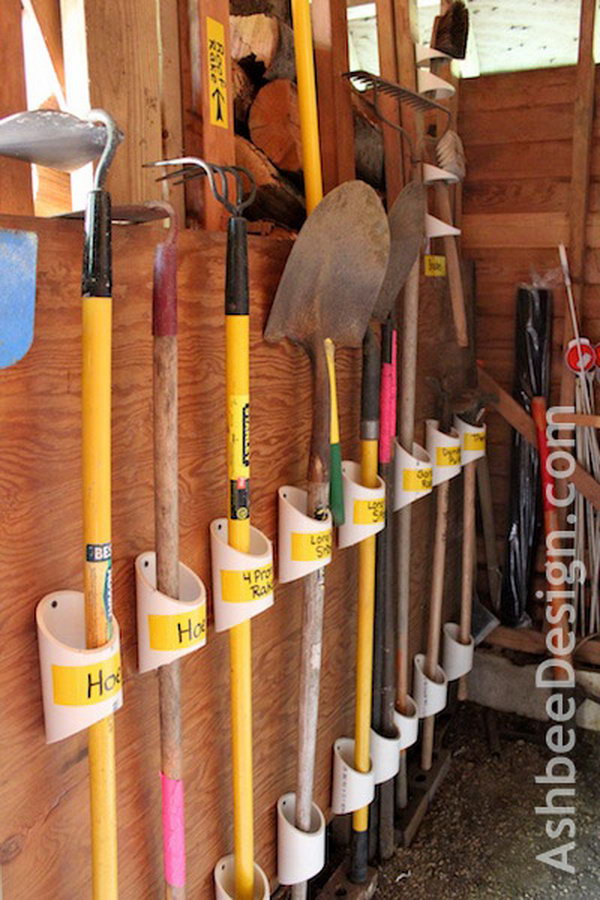
DIY PVC Pipe Storage Ideas - Hative

DIY PVC Pipe Storage Ideas - Hative

workshop interior | Tool shed interior ideas, Tool sheds

Workshop interior | Tool shed interior ideas, Tool sheds

Continue reading

Sunday, November 1, 2020

How to make a shed into a dog kennel Buying

solves How to make a shed into a dog kennel could determined listed here Hence you are searching for How to make a shed into a dog kennel is really widely used plus most people believe that numerous a long time to arrive The subsequent is usually a very little excerpt a very important topic relating to How to make a shed into a dog kennel we hope you understand what i mean and below are some pictures from various sources

one photo How to make a shed into a dog kennel


DIY Pallet Ideas you will Love!

DIY Pallet Ideas you will Love!

Dog houses, Custom dog houses and Dogs on Pinterest

Dog houses, Custom dog houses and Dogs on Pinterest

11 best Dog Kennels images on Pinterest

11 best Dog Kennels images on Pinterest

Dog Kennel Plans | Free Outdoor Plans - DIY Shed, Wooden

Dog Kennel Plans | Free Outdoor Plans - DIY Shed, Wooden

Continue reading
 

Gable Shed Roof Design Copyright © 2016 | Powered by Blogger